‘Appropriate Symbol Communication for Augmentative and Alternative Communication’ (ASC for AAC) is built on over a decade of research and collaboration with people who use Augmentative and Alternative Communication (AAC), their families, support networks, professionals, and researchers.
This website, alongside the tools and materials available, are based on the research and findings of the Identifying Appropriate Symbol Communication (I-ASC) study, a large National Institute for Health and Care Research (NIHR) funded research programme. This study explored how decisions are made when selecting symbol-based communication systems for children and young people with little or no intelligible speech. Following the original research, ASC for AAC represents the next phase of the project, providing accessible tools and materials, training resources, and guidance around AAC decision-making for everyone regardless of previous experience of AAC.
From the very beginning, people who use AAC have been involved as partners in the research. AAC users, family members, co-researchers, and advisory group members have helped to shape the study, by contributing to the data collection and analysis, and playing a key role in sharing findings and developing the ASC for AAC tools and materials. This commitment to co-production continues to guide this project moving forward.
Explore the sections above to learn more about the research journey, the project aims, the methods used to develop the evidence base, and the people who have helped ASC for AAC become what it is today.
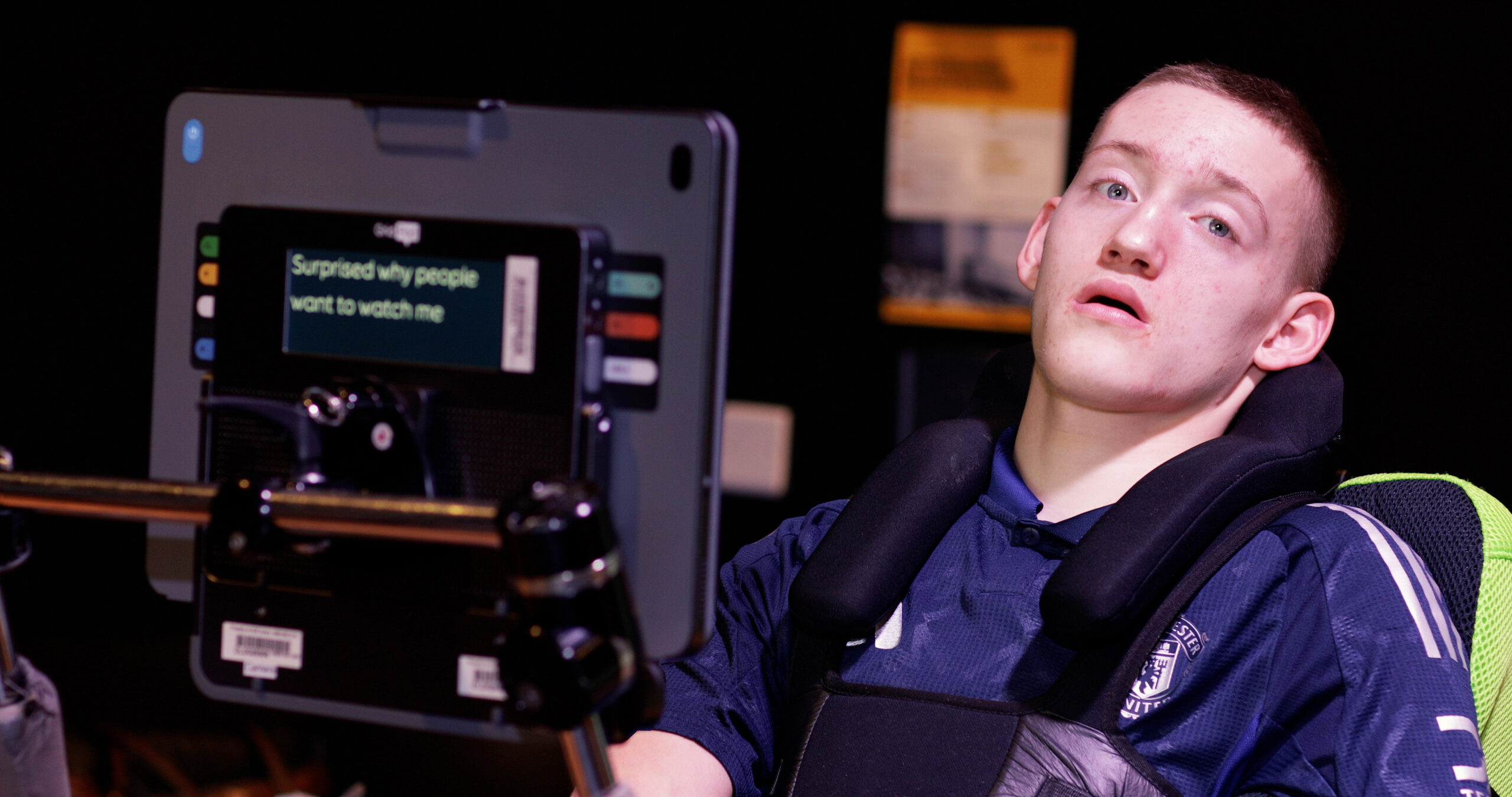
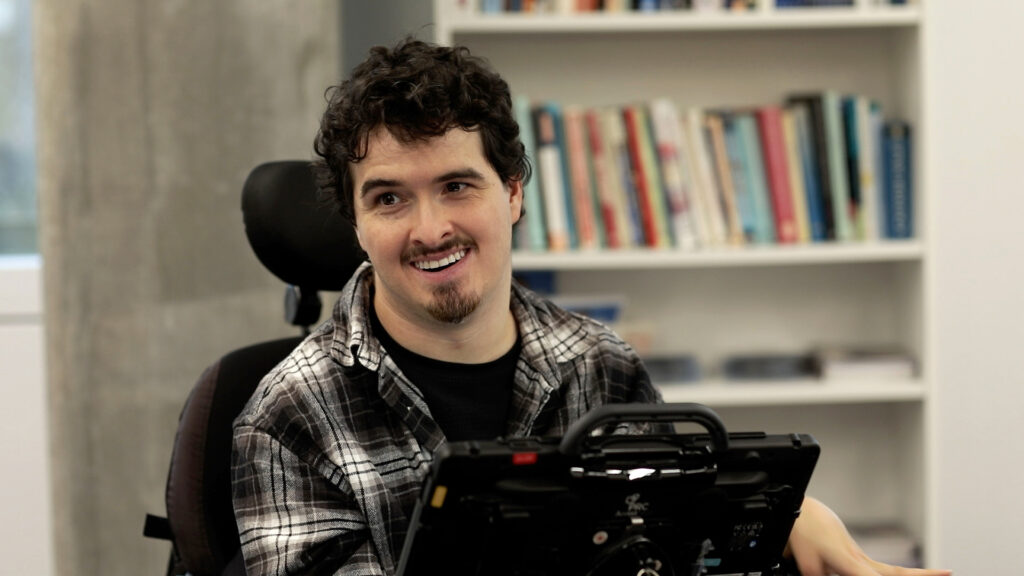
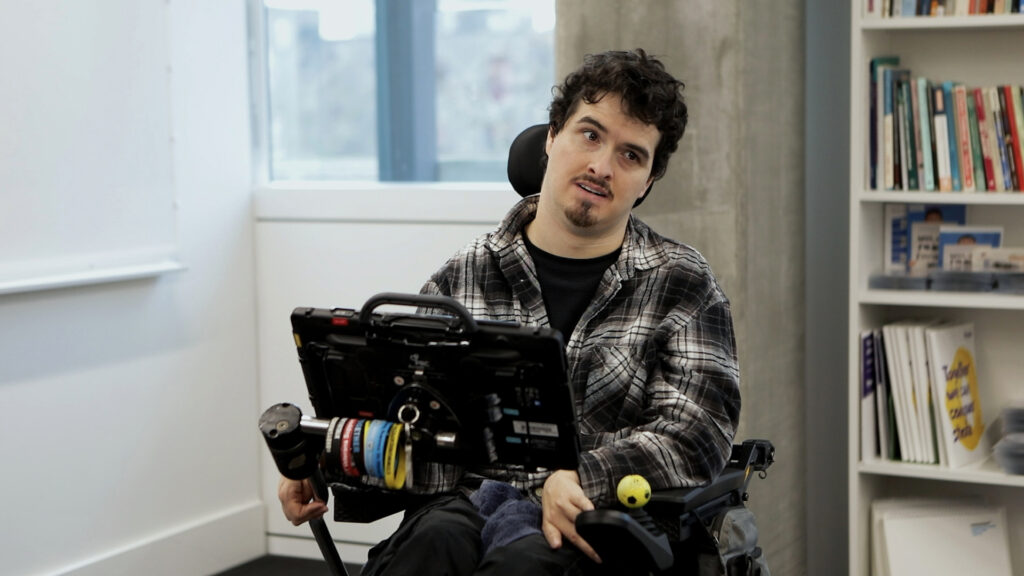
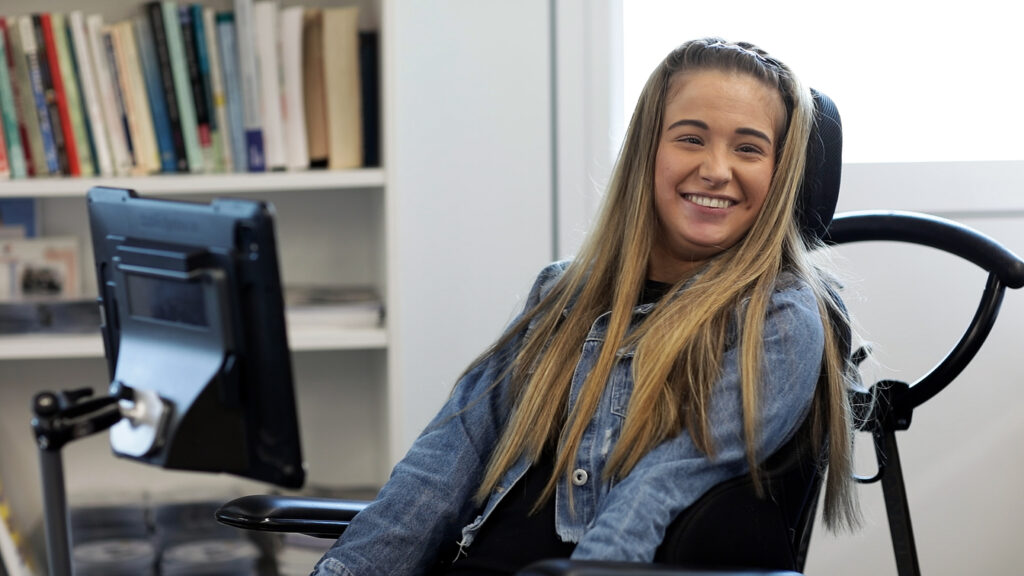
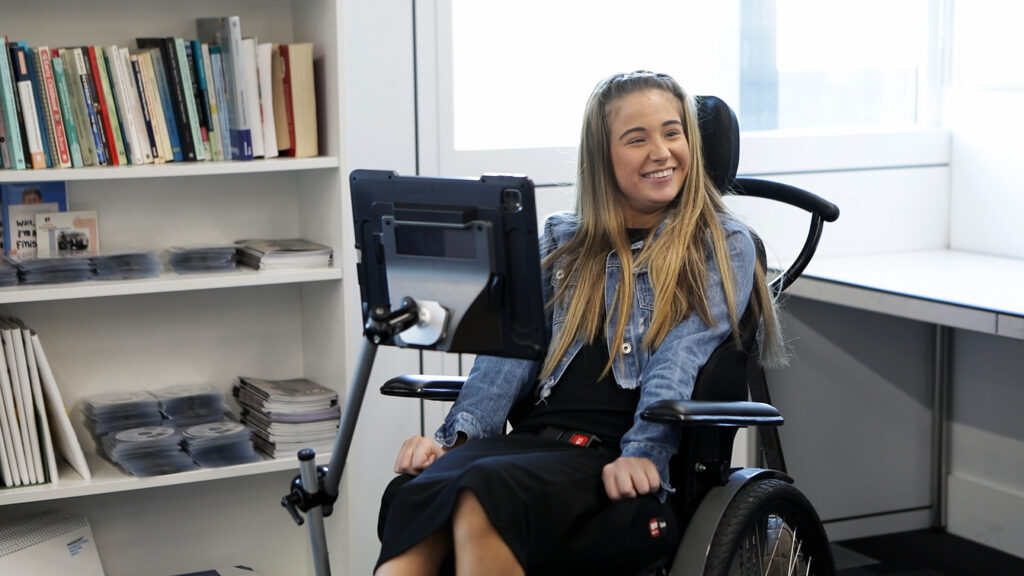
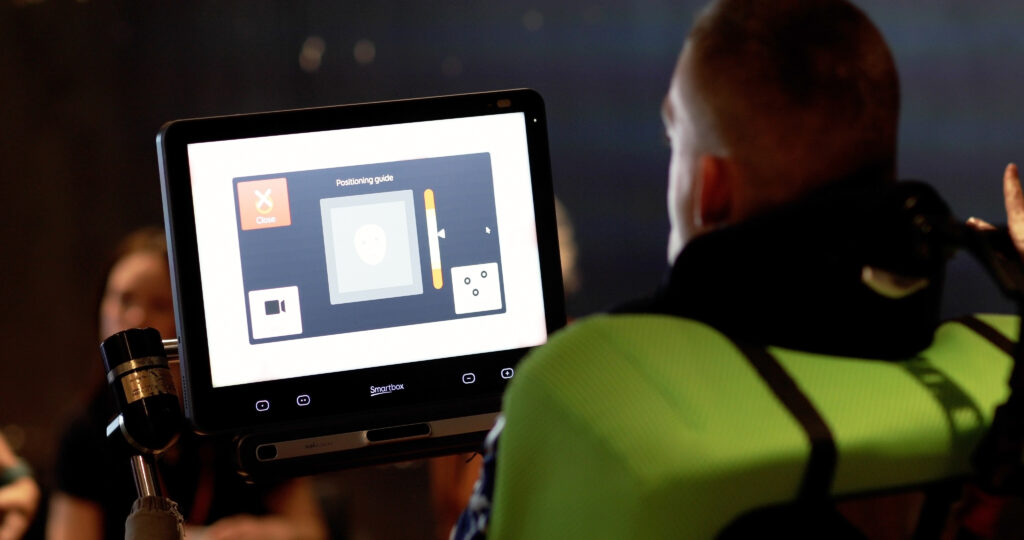
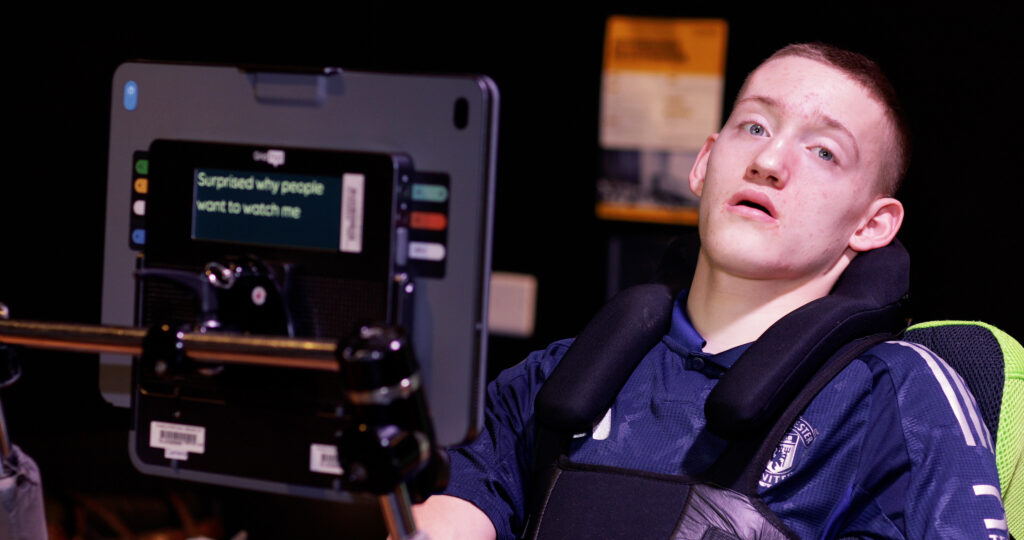
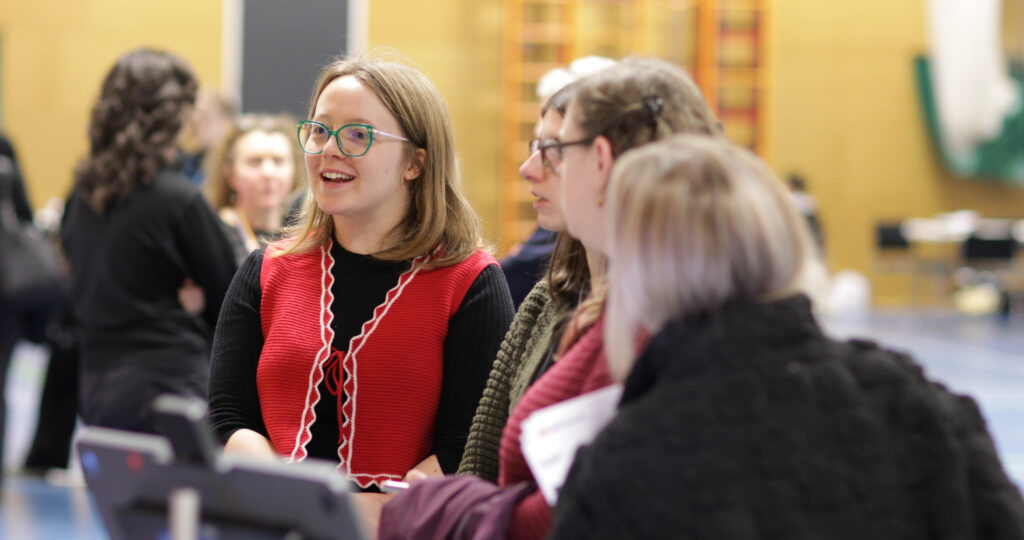
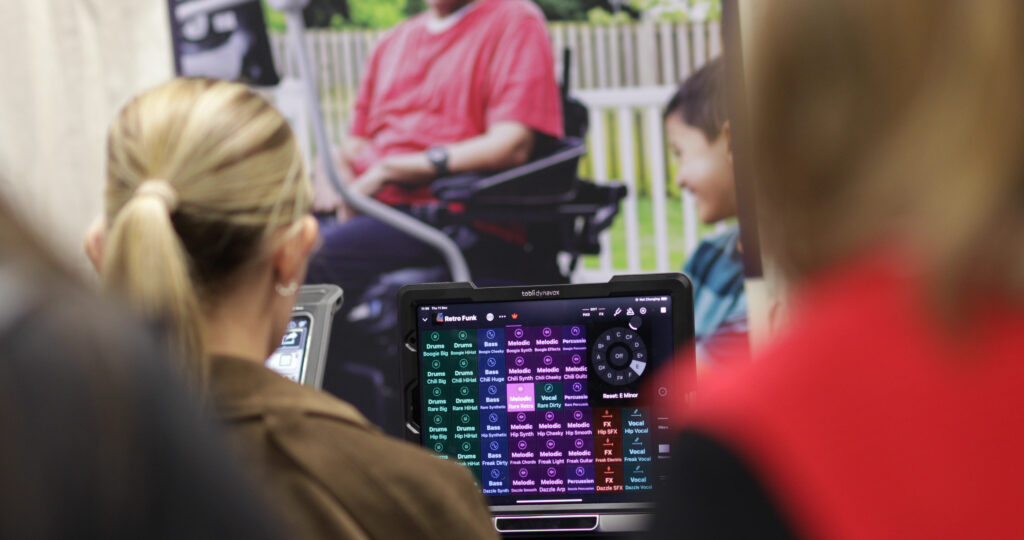
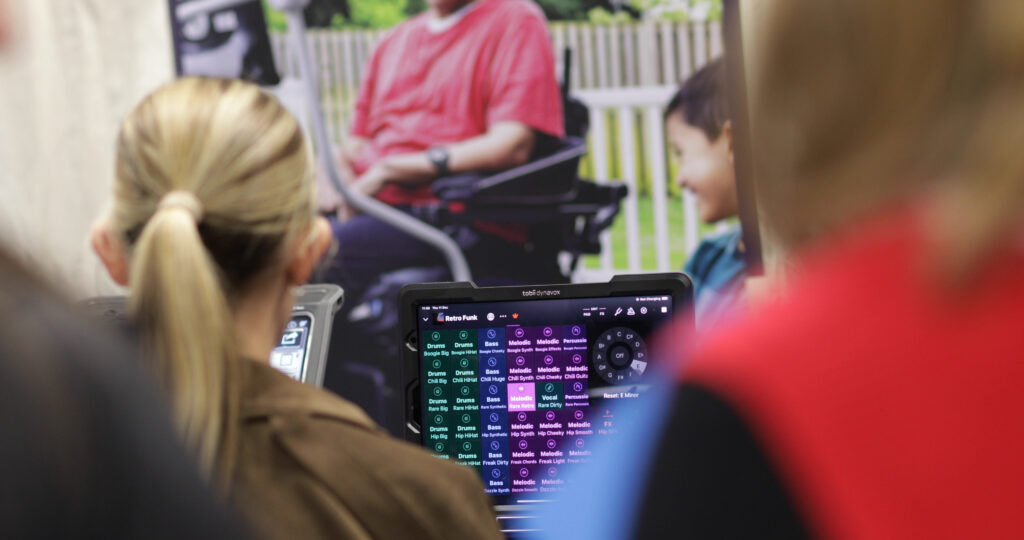
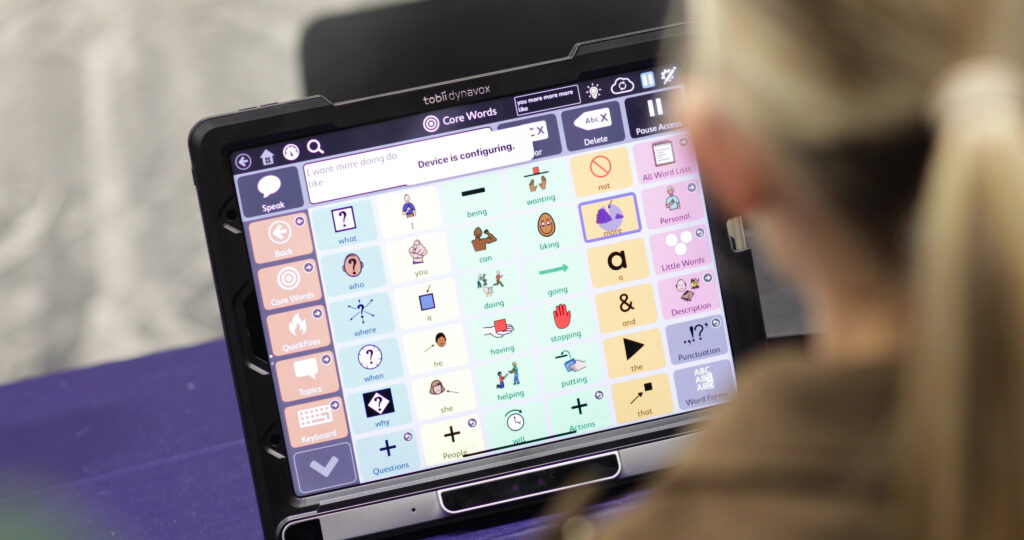
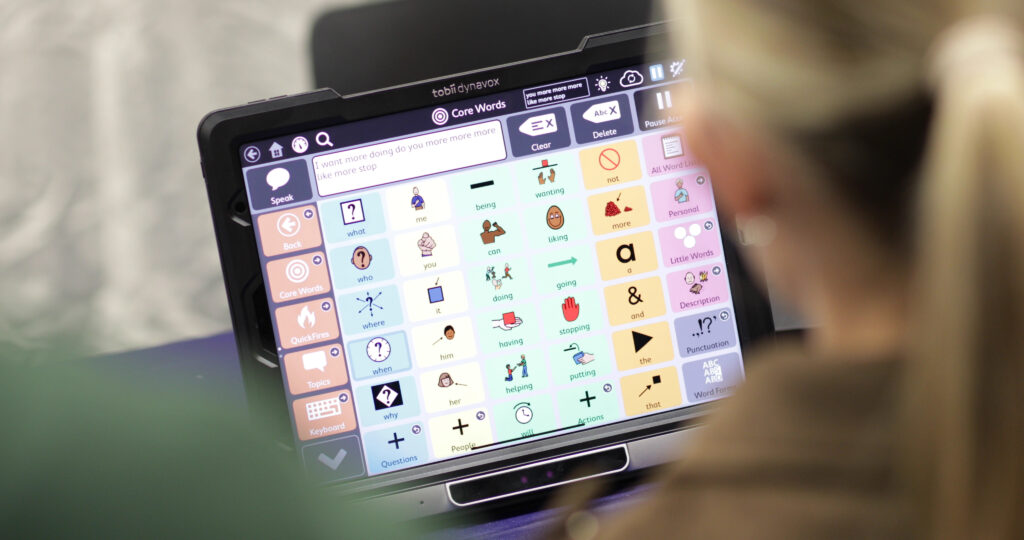
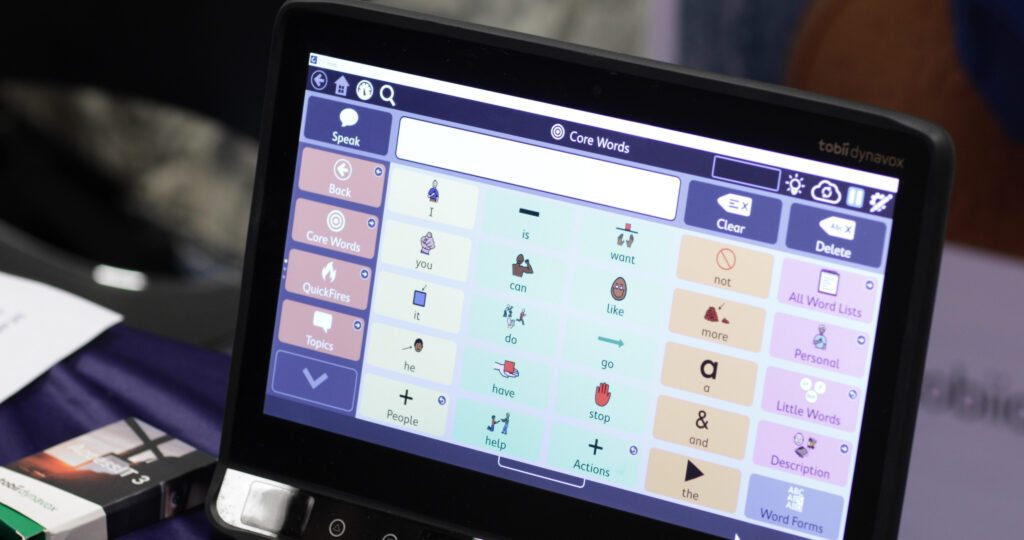
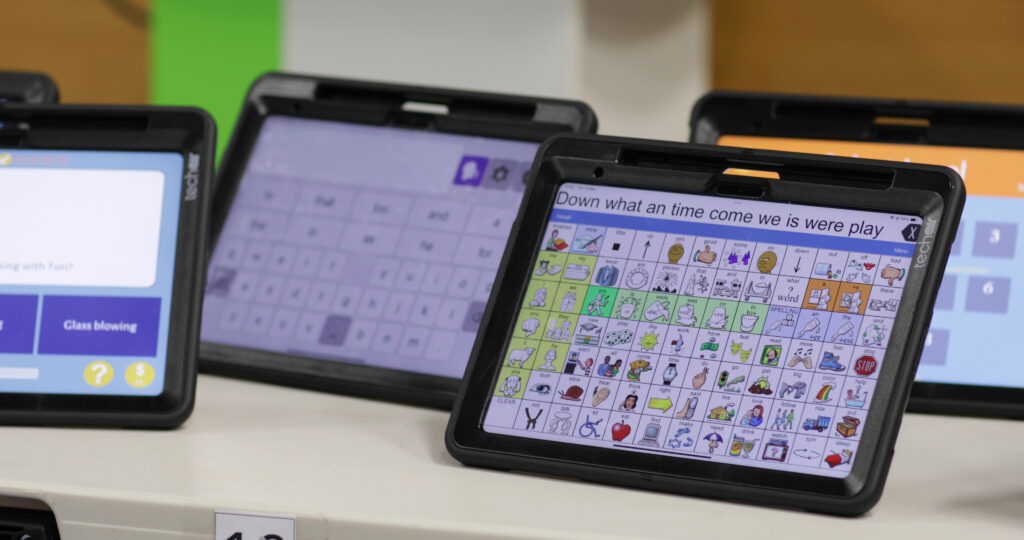
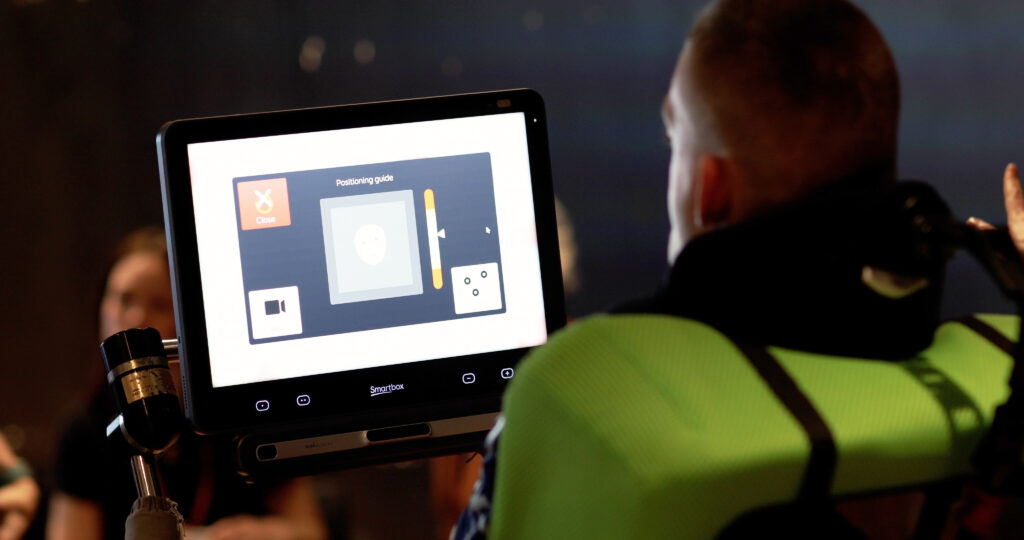
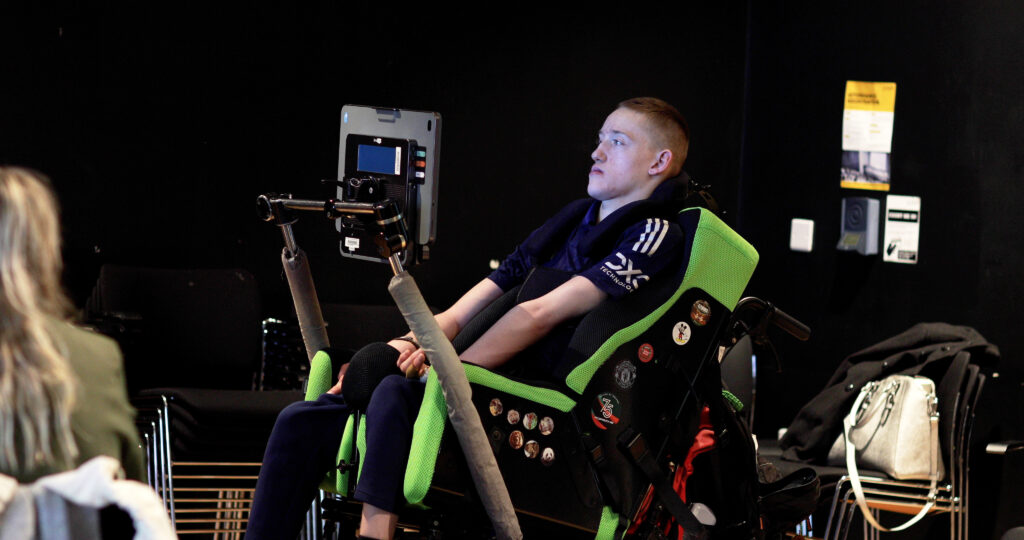
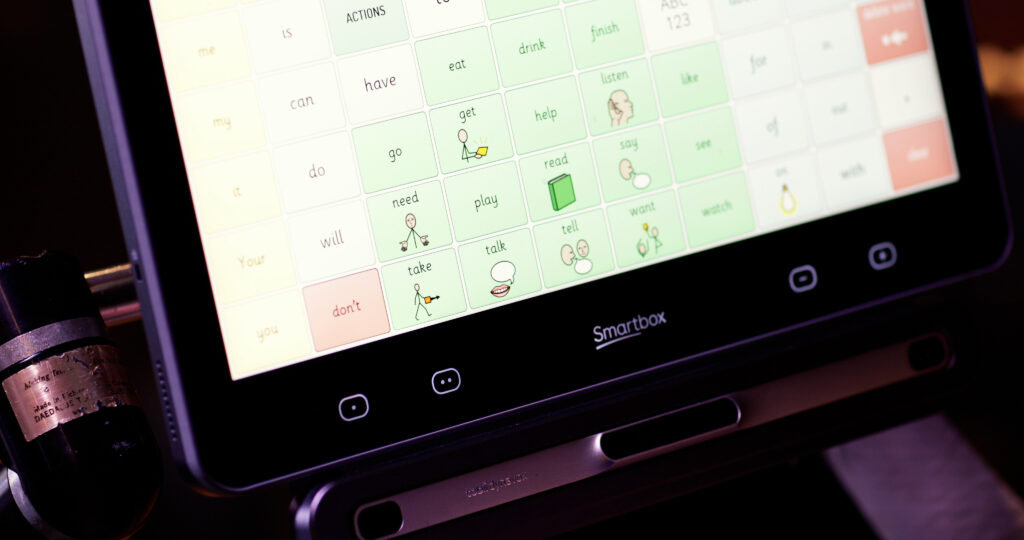
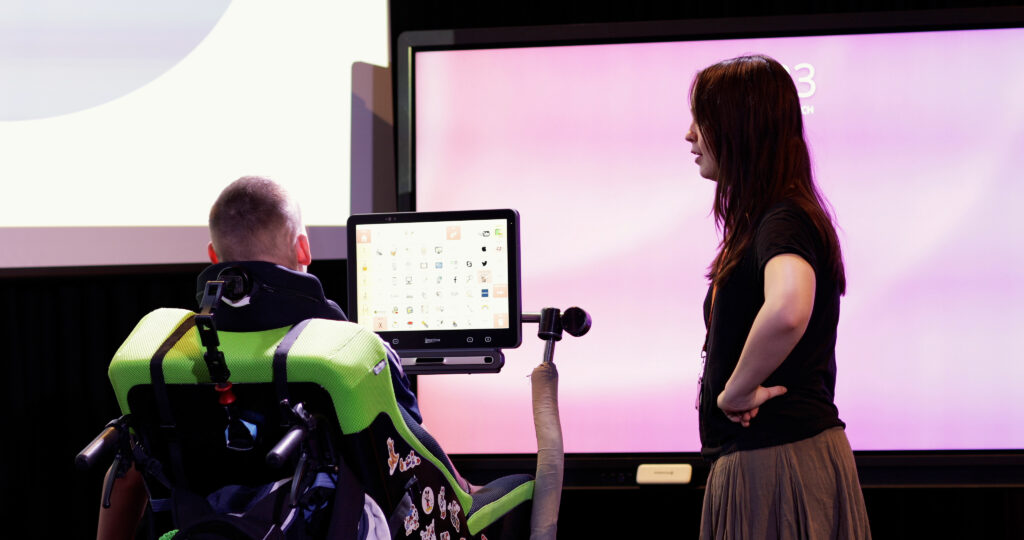
An AAC user with their electronic AAC device
Project Aims
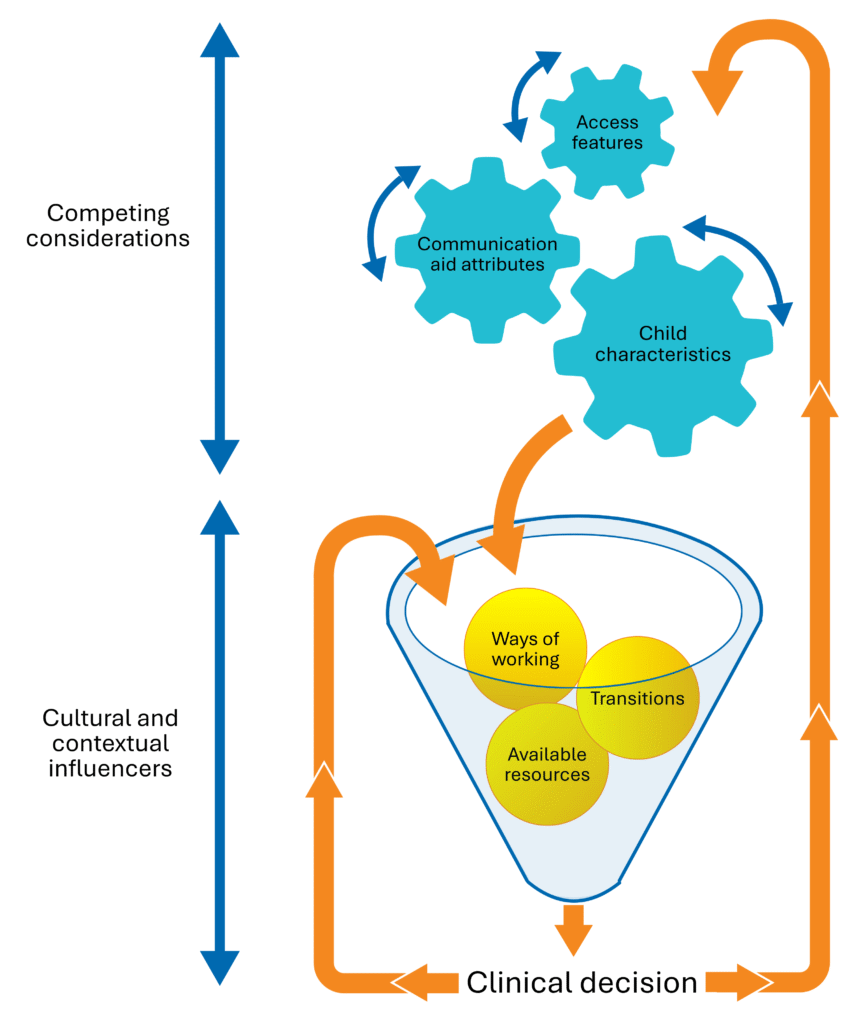
Choosing the right AAC system is an important decision. Many different factors can influence what works best for an individual, including their communication skills, learning needs, preferences, and the people who support them. The ‘Appropriate Symbol Communication for Augmentative and Alternative Communication’ (ASC for AAC) website, tools, and materials, have been designed to help everyone involved with AAC assessment and implementation understand how these decisions are made and how decision-making processes could be improved.
The overall aim of the original I-ASC study was to improve the outcomes for children with little or no intelligible speech who use symbol communication aids to communicate. The research sought to improve the consistency, quality, and transparency of decision-making when selecting symbol communication systems, and to provide guidance for anyone involved in this process.
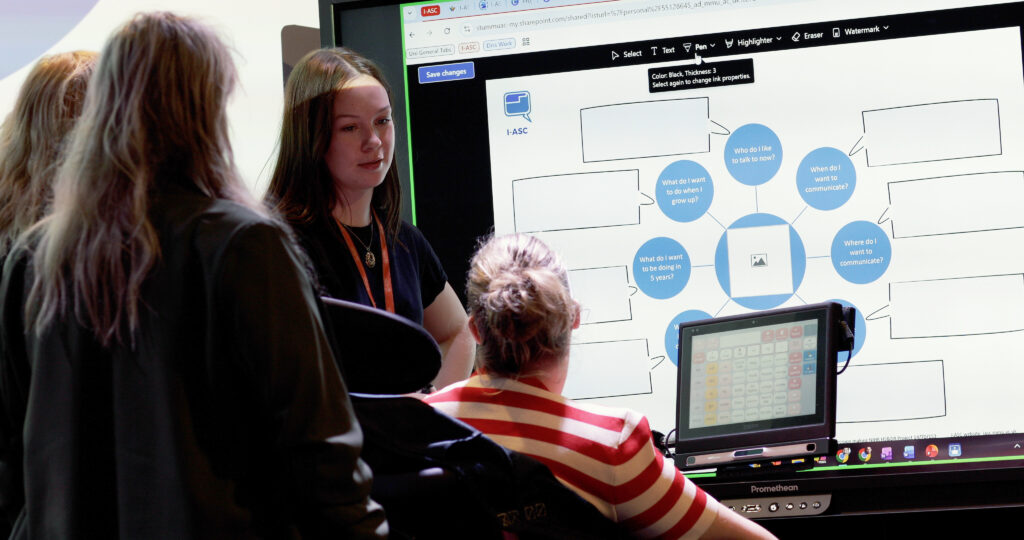
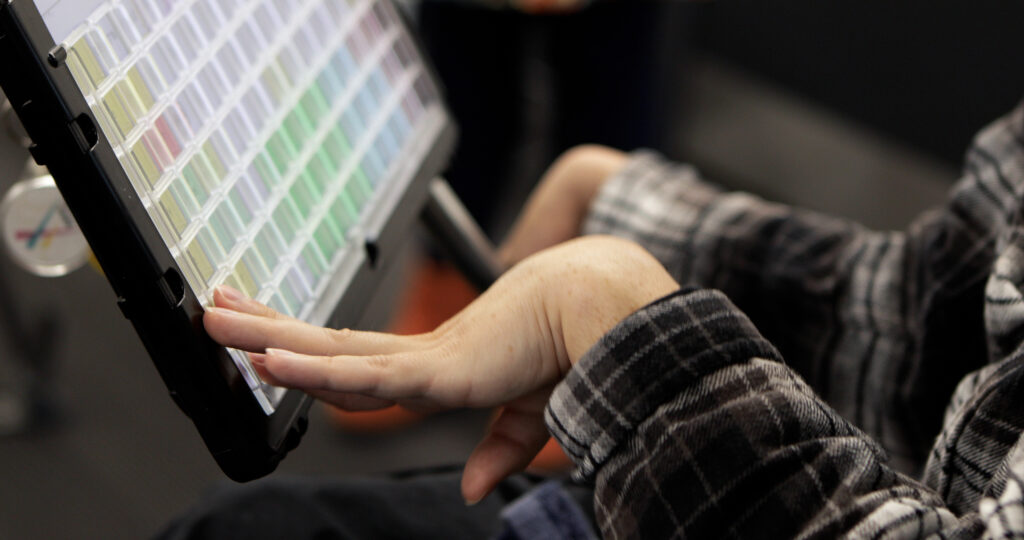
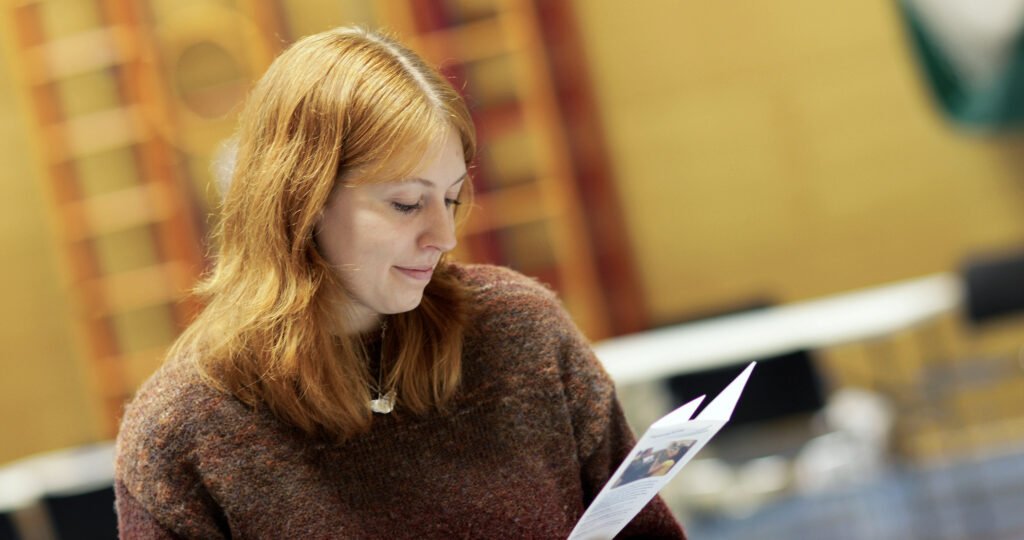
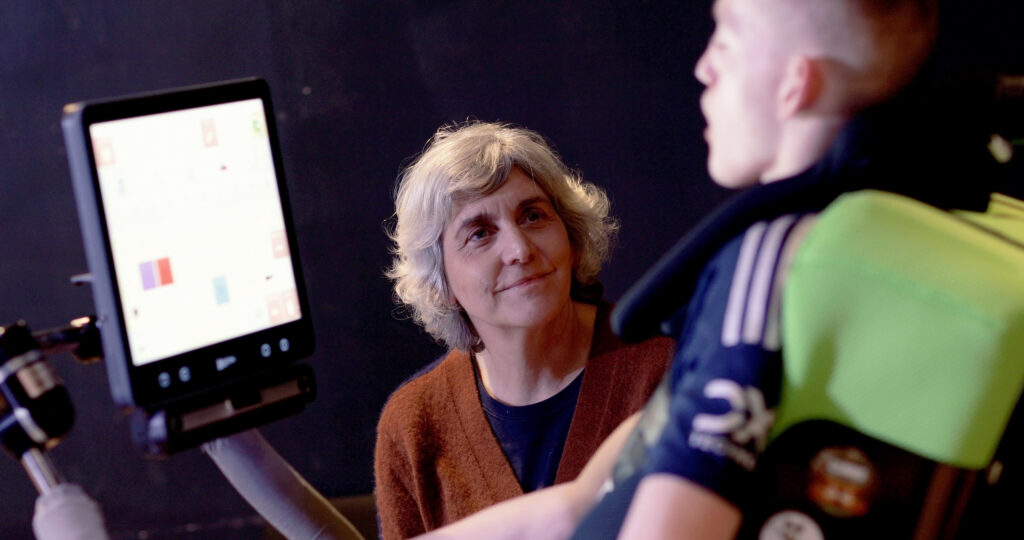
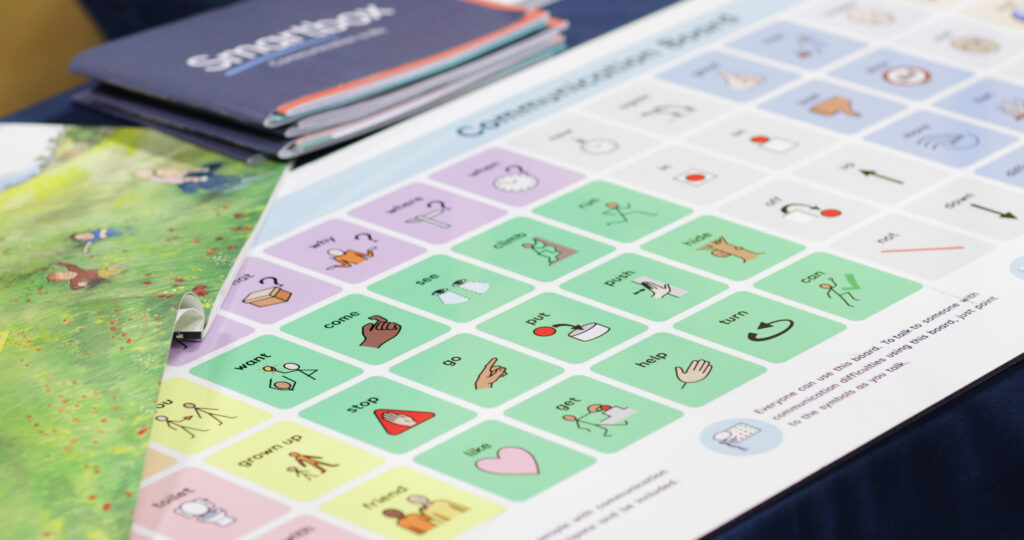
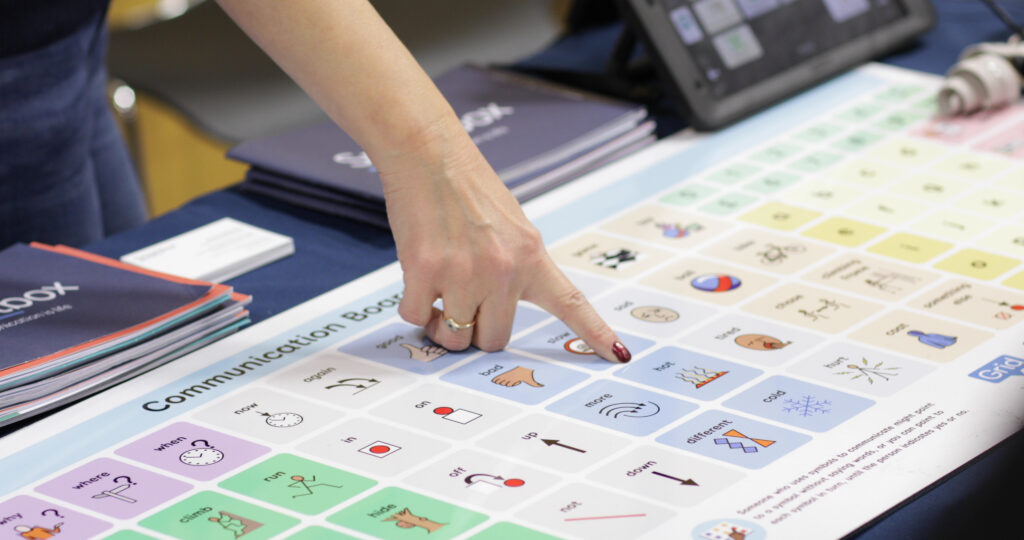
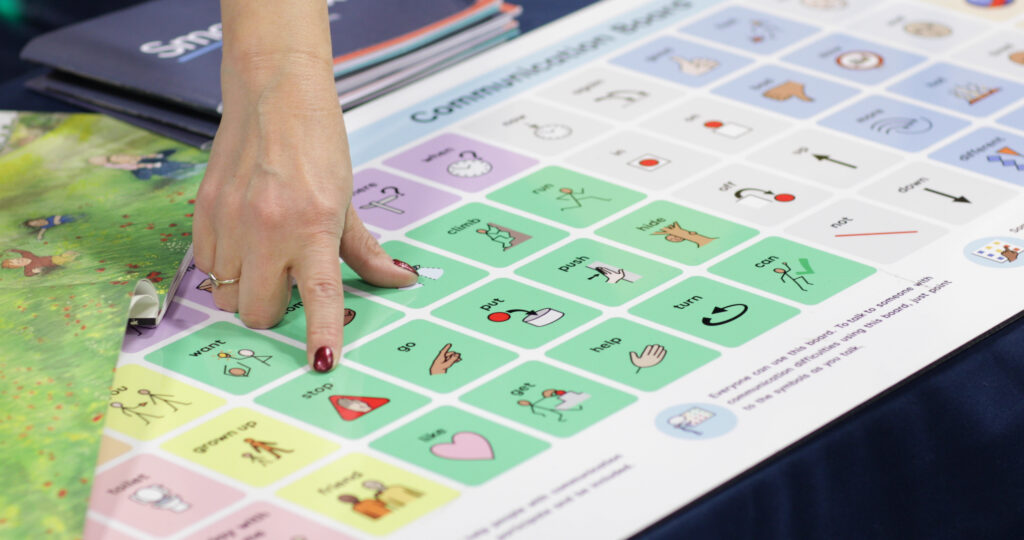
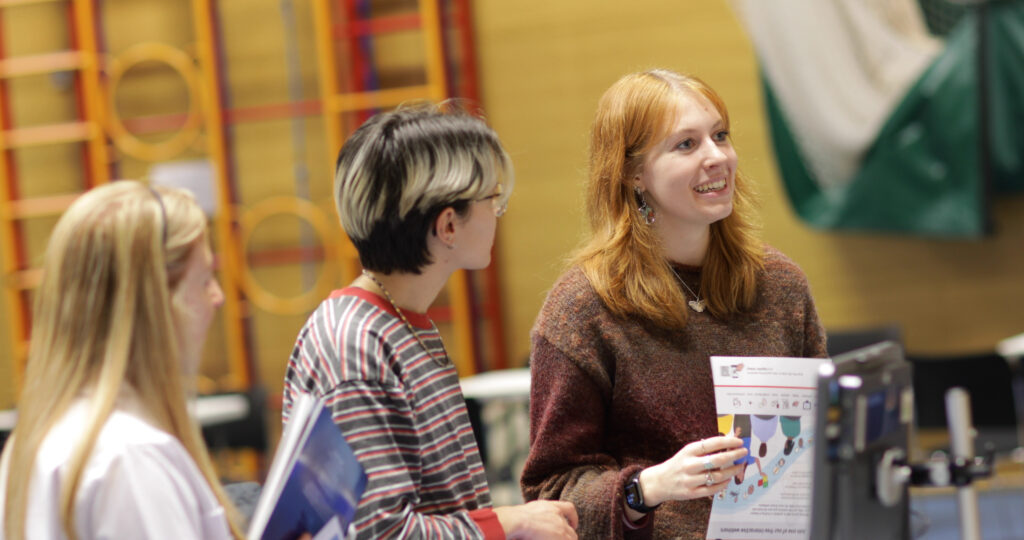
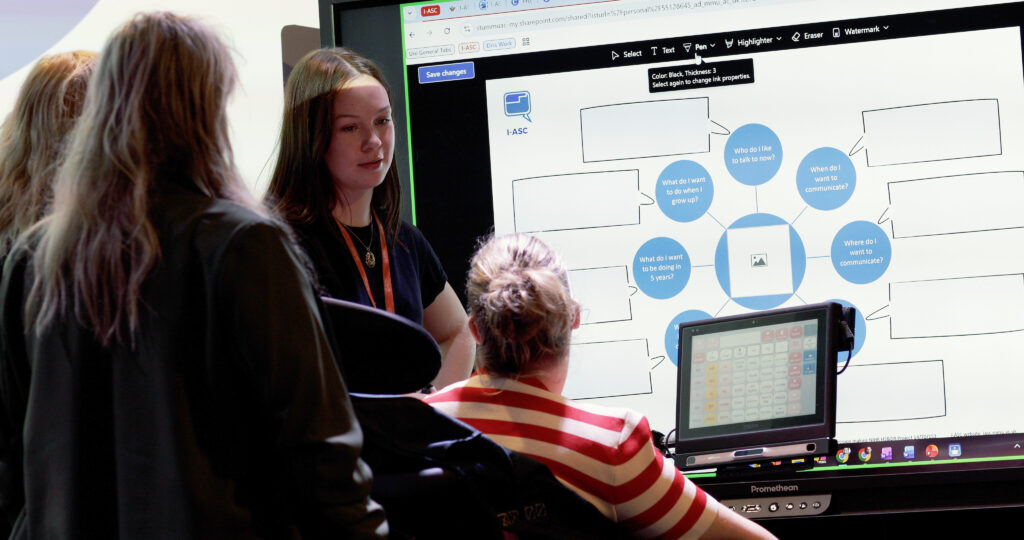
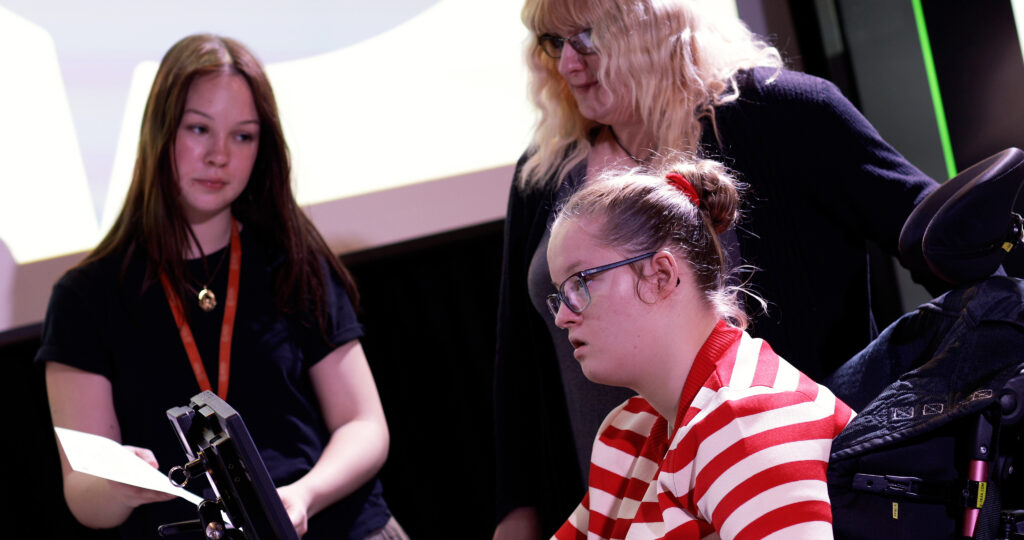
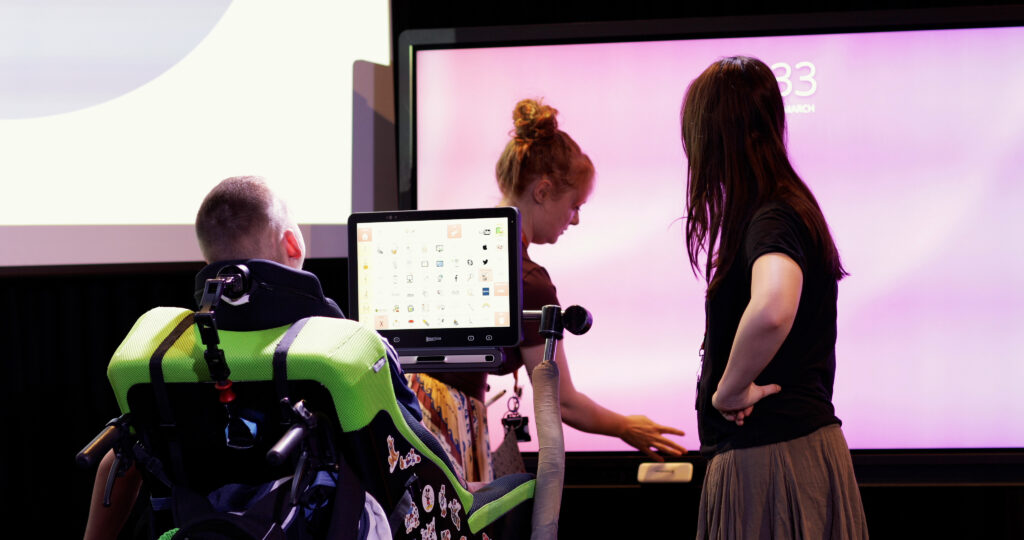
An AAC user looks at the ‘About Me’ ASC for AAC resource with project member
Although the original I-ASC research focused on children and young people, feedback from AAC users, families, and professionals suggests that many of the tools and materials available on the ASC for AAC website may be interpreted and used to guide AAC decision-making processes for individuals at other stages of life.
Research Methods
This area of the website describes how the original I-ASC research was carried out, highlighting the different methods used to gather the views and experiences of AAC users, families, support networks, and professionals.
In order to meet the aims of the project, the study investigated four key research questions:
What attributes related to the child, and generic communication aids, do clinicians consider important in making decisions about communication aid provision?
What other factors influence or inform the final decision?
What attributes are considered important by other participants (e.g. the child and family) and how do these impact in the short, medium and long term?
What decision support guidance and resources would enhance the quality, accountability and comparability of decision making?
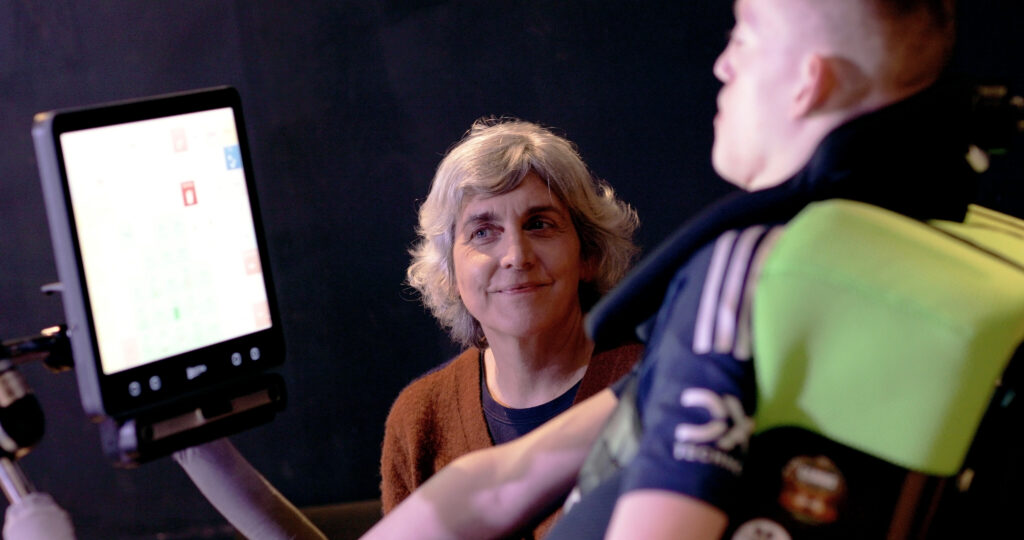
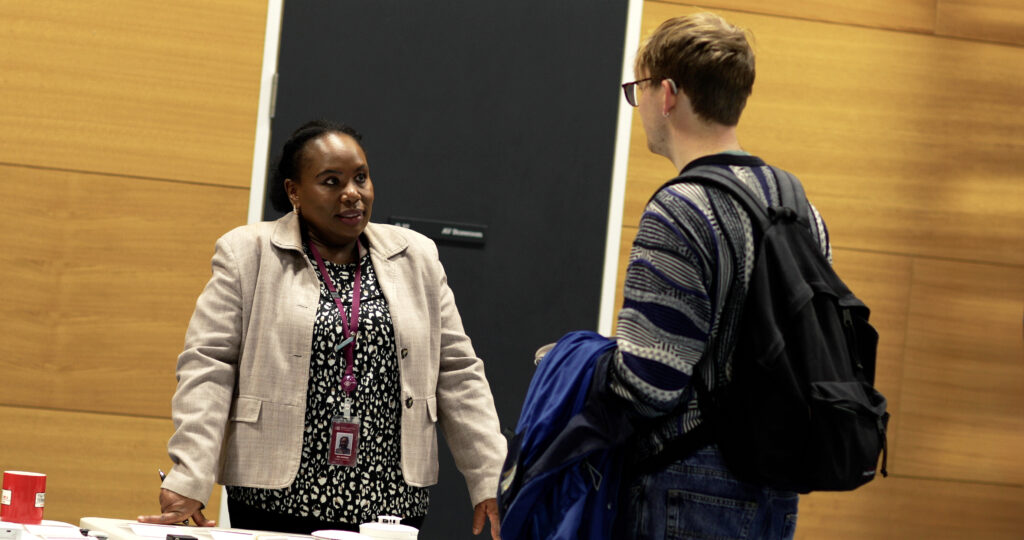
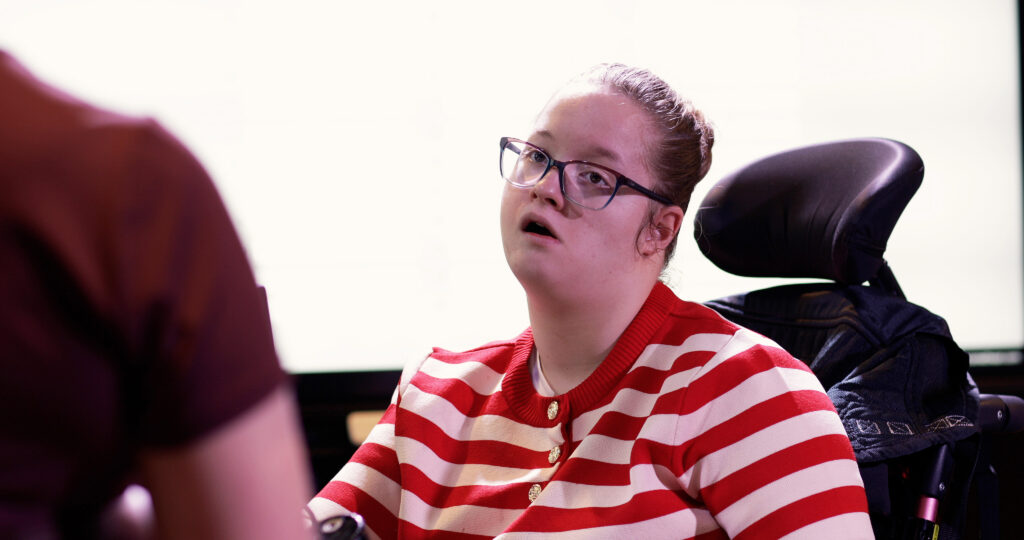
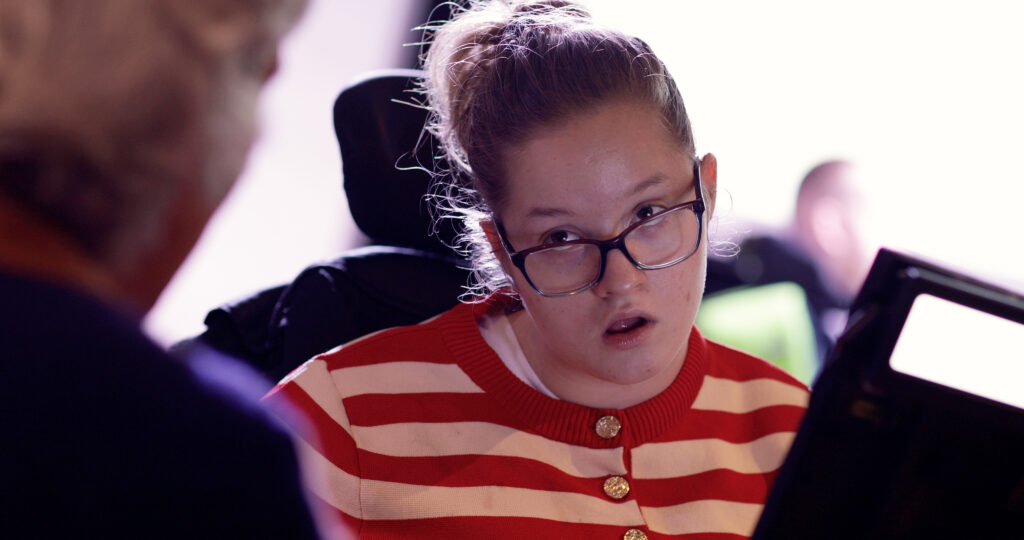
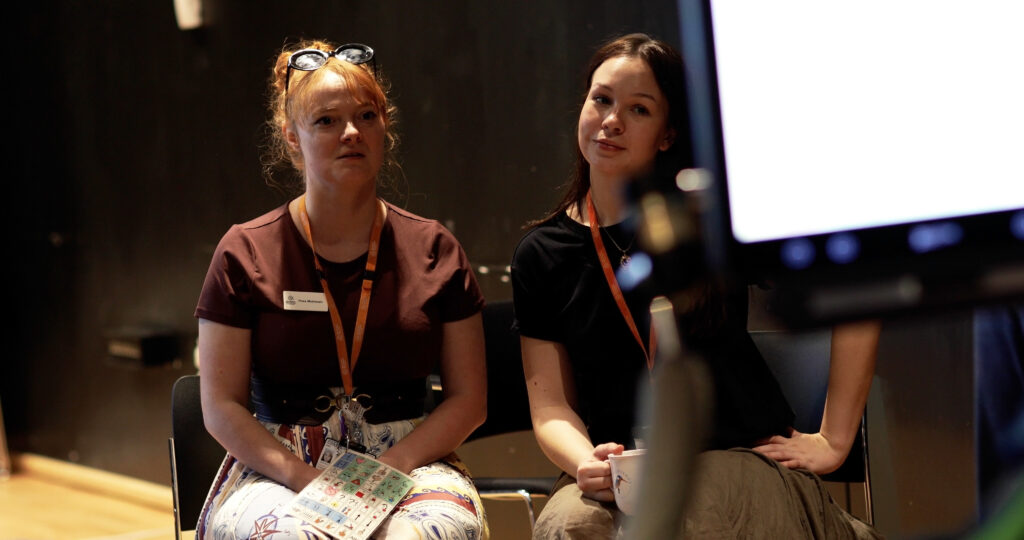
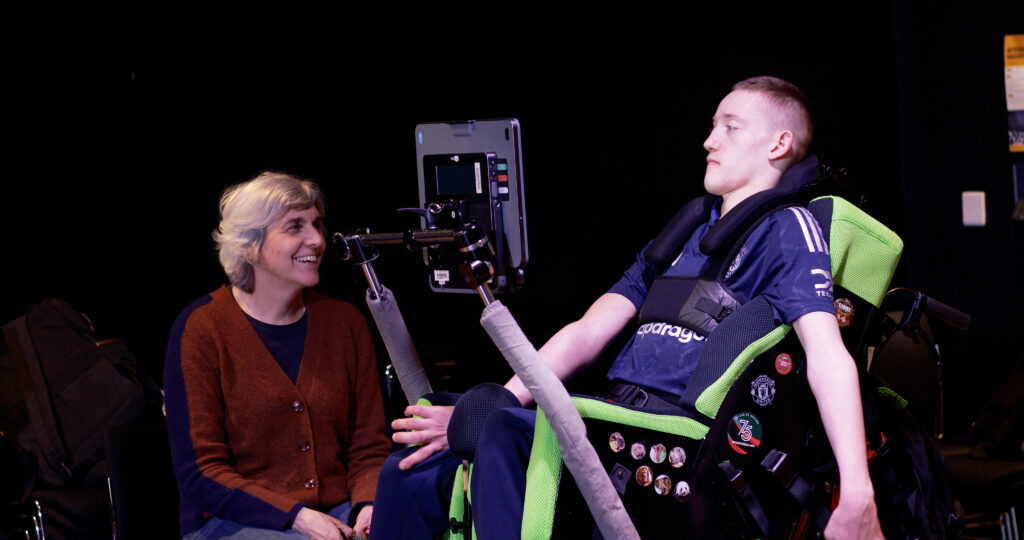
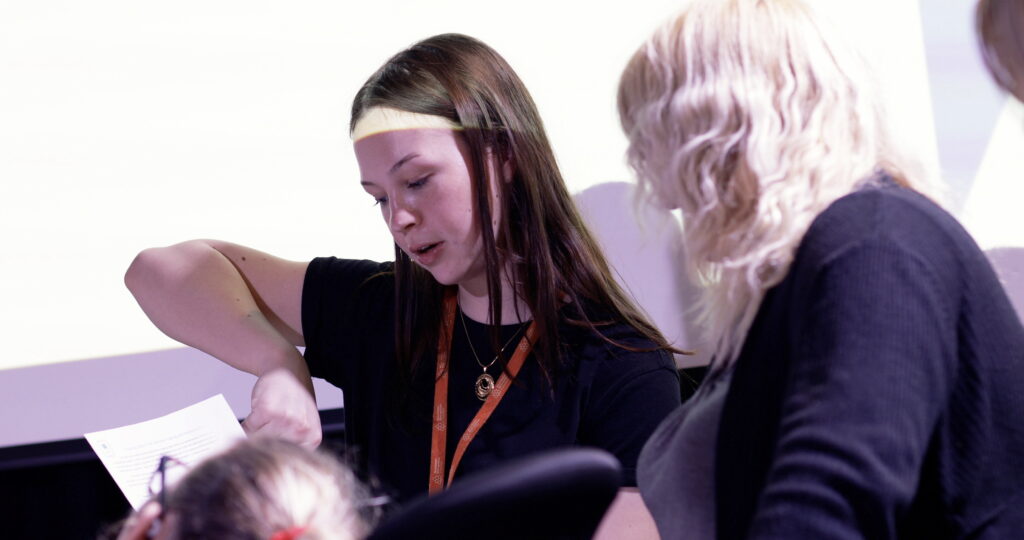
AAC user and project member discuss materials
Study Strands
The study involved seven different strands, or areas of research, that each explored different factors that play a role in the AAC decision-making process. Together, these strands helped to gather information in order to answer the four key research questions, as well as contribute to the overall aims of the project.
Below, the seven different strands are described:
Systematic Reviews
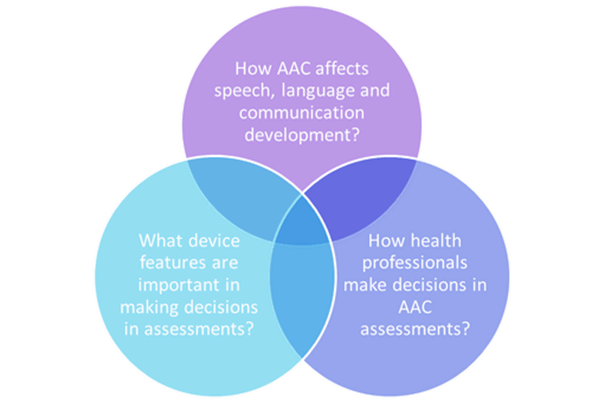
This strand was made up of 3 linked systematic reviews to establish current evidence and to inform the next stages of the project. These 3 reviews related to:
Speech, langauge and communication development with specific reference to children using symbol communication aids;
The language and communication characteristics the communication aids considered in decsion making;
Clinical decision making related to aided communication in allied health professions.
Focus Groups
The second strand involved six focus groups with professionals who were actively involved in AAC assessments to understand their current processes of decision making.
Interviews
In the third strand, children and young people who use AAC were invited to take part and share their experiences of AAC assessments. A series of 78 interviews were carried out. Fifteen children and young people who use AAC participated. As well as interviewing the children and young people, we also interviewed their family member(s) and the professional team around them to appreciate what the assessment process meant to each of them.
Here is a sample of the recruitment and data collection materials used:
Informed by the first and second strand, the fourth work strand was a quantitative element of the study. This included two surveys that were developed to evaluate clinical decision making processes. Professionals were asked to make choices between various attributes typically considered in the assessment process and derived from the earlier work strands, to find out which determine their recommendations for prescribing AAC.
Resource Generation
Previous strands helped to create a decision-making resource (a heuristic) to support professionals and provide those who use AAC and their families with accessible knowledge and information about what to expect from the assessment process. Before being widely disseminated, these resources were tested and evaluated by family and professional AAC experts. This included people who contributed to earlier aspects of the research to test the soundness and reliability of each resource for use in the real world. The content of the decision making resource can be found in the remaining sections of this website.
Sharing the Research
The sixth strand of the project was all about sharing the research. This element started on day one of the project with awareness raising and it continues beyond the point where the funded project outcomes are achieved through this website, journal publications, and events.
Public Involvement
Finally, the study had public involvement (PI) embedded throughout the lifecycle of the study from initial development of the bid, through data collection, analysis, synthesis, and dissemination. The research team was granted an extension to evaluate the co-production aspects of this unique study. This website also includes resources and outputs related to co-producing research with people who use AAC and their families.
The Original Research Team
(Last updated August 2026)
Manchester Metropolitan University Team:
Chief Investigator: Janice Murray – Professor Emeritus, Faculty of Health and Education, Manchester Metropolitan University
Research Fellow: Dr Yvonne Lynch – Associate Professor, Trinity College Dublin
Co-Researcher: Stuart Meredith – AAC User
Critical Friend: Gregor Gilmour – AAC User
Co-Researcher: Liz Moulam– Parent of an AAC User
Research Assistant: Helen Whittle – Speech and Language Therapist
Co-Investigator: Professor Juliet Goldbart – Professor Emeritus, Faculty of Health and Education, Manchester Metropolitan University
Reader: Dr Mark Jayes – Faculty of Health and Education, Manchester Metropolitan University
Barnsley Asistive Technology Service Team:
Co-Investigator: Dr Simon Judge – Head of Service, Barnsley Assistive Technology Service, Barnsley Hospital NHS Foundation Trust
Research Associate: Nicola Randall – Assistive Technology Specialist, Barnsley Assistive Technology Service, Barnsley Hospital NHS Foundation Trust
University of Leeds Team:
Research Fellow: Dr Ed Webb – Senior Research Fellow, Faculty of Medicine and Health
Co-Investigator: Professor Stephane Hess – Professor of Choice Modelling, Faculty of Environment, University of Leeds
Co-Investigator: Dr David Meads – Professor in Health Economics, Faculty of Medicine and Health, University of Leeds
In addition, we had support from a critical friends group and on this there were 3 PI representatives; someone who uses AAC, plus two parents of young adults who use AAC.
The NIHR Advisory Board also appointed a parent of a young adult who uses AAC.
Acknowledgments
Full title: Identifying appropriate symbol communication aids for children who are non-speaking: enhancing clinical decision making (HS&DR number: 14/70/153)
Short title: I-ASC – Identifying Appropriate Symbol Communication
This work has only been possible because of the support, enthusiasm and critical appraisal of many people and organisations. We are grateful for their time, expertise and on-going encouragement. We would like to express our thanks to the following people and organisations.
In 2025 we had an opportunity to revitalise the website. This has only been possible due to the exceptional efforts of Research Assistants, Amy Boatwright, Matthew Davidson and Thea Mcintosh. Katy Latham, Manchester Metropolitan University, acting as project co-ordinator, and the additional input from Nick Holland, Ross Dachraoui and Deborah O’Connor. We are grateful for the additional input and support from Stuart Meredith, Helen Whittle, Yvonne Lynch, Liz Moulam, Beth Moulam and several members and associates from AT Therapy.
Funders
The I-ASC project was funded by the National Institute for Health Research Health Services and Delivery Research (NIHR HS&DR) Programme.
For further information, visit the NIHR website (www.nihr.ac.uk).
Collaborative partners
The content of the I-ASC website is the result of the research conducted by three collaborative partners, Manchester Metropolitan University (lead), Barnsley Assistive Technology service, and the University of Leeds.
Participants
This ground-breaking research was only possible because of the responsiveness and support of the many participants involved in different aspects of the I-ASC research project. We, the research team, know who you are and we are eternally grateful for your contribution to the research. This resulted in a theoretical framework that resonates across the whole of the UK and a number of tools and materials that can be used to support the application of this theoretical framework in clinical decision making. Thank you!